
Which grip and handle specification should a value programme use?
Short answer
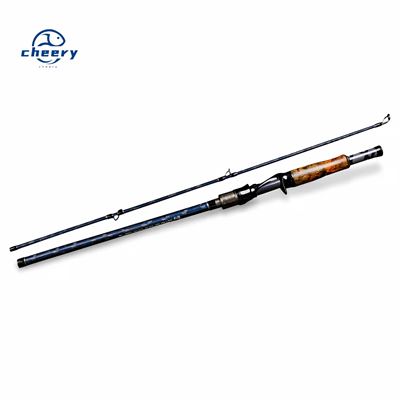
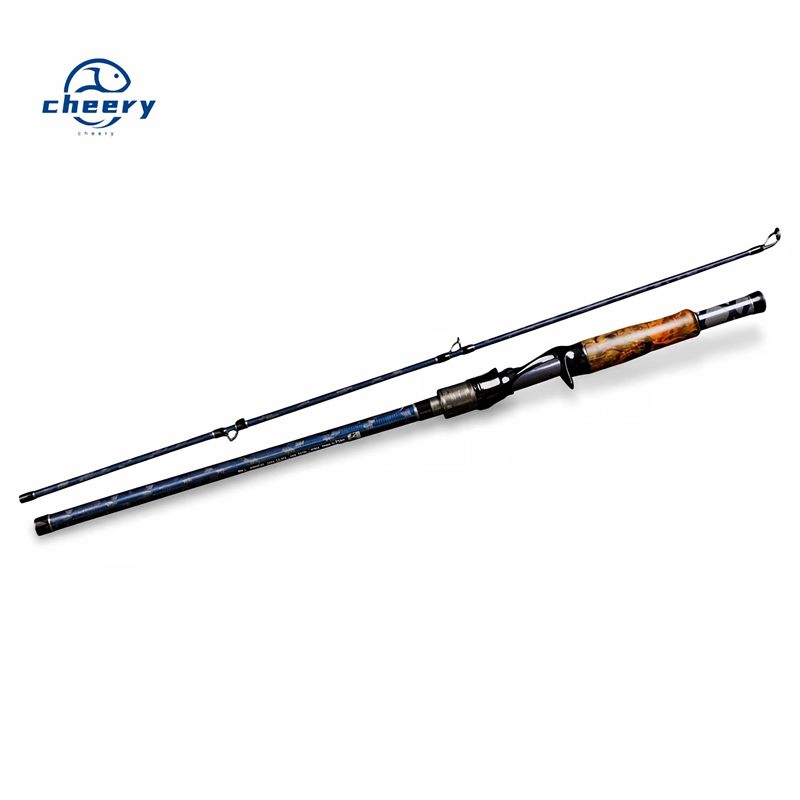
Trade guidance describes cork, rubber and EVA foam as the mainstream options, with EVA denser, lighter and easier to use well at a low cost, and cork still favoured for feel in wet conditions. Split grips remove material and weight, while full grips suit two-handed casting, and longer handles build a fulcrum for heavy lures, which is why extra-heavy models carry them.
In detail
For a value programme the usual decision is EVA with a split or shortened rear grip, with handle length measured on the approved sample, because grip material and length are the two fields most often trimmed without telling the buyer.
The numbers behind this answer
| Component | What the published source defines | How to hold it on a repeat order |
|---|---|---|
| Reel seat and hoods | Our Weihai cluster page lists guide and reel-seat hardware as the most common substitution risk in a rod programme, and grip material as a further specification point (internal cluster page) | Seat type, hood material and any named brand or equivalent written into the specification, with the fitted part checked on the production sample |
| Format decision | What the published source says | What it changes for the order |
|---|---|---|
| Grip material and handle length | Cork, rubber and EVA foam are all in use, split grips cut weight while full grips suit two-handed casting, and longer handles build a fulcrum for heavy lures (Wired2Fish) | Grip material, split or full, and rear handle length measured on the sample, because this is where a value rod is usually cheapened |
Where this answer comes from
Part of the product record Private-label value rod programmes from Weihai (Fishing rods). The record carries the tables this answer is drawn from, the fields a factory needs before quoting, and an explicit list of what has not been verified.
Products that solve this
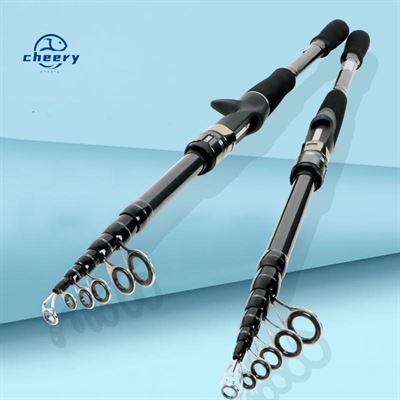
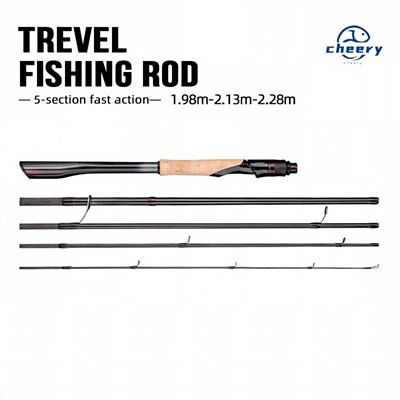
Sampled listings from the same product family (Fishing rods). Reference price per unit with the MOQ stated; a quotation against your specification governs a transaction.
All fishing rod listings · factory identity is released after a trade account is approved.
Read next
- Build the specification for this product
- Send a specification and get a quotation in one business day
Other questions in this record
- What is a private-label rod programme and what does it commit the buyer to?
- How should blank material and grade be written on a purchase order?
- Why are guides and reel seats the biggest repeat-order risk?
- What is the difference between rod action and rod power, and why does the label matter?
- How does a travel format change the rod a factory has to build?
- What do private-label rods cost from a Chinese factory?
- What belongs in the sample approval and compliance pack?
Related questions
- Which finish should a value tier use? - Custom crankbaits: how an OEM crankbait order works
- PVC plastisol, TPE or a 3D-printed body: which should a value multi-pack use? - Fork-tail soft plastics: the multi-pack value tier
- Which finish should a value-tier jig use? - Slow-pitch metal jigs
Still unsure?
Send the product, the quantity and the destination market, and you get an answer against verified factory records within one business day. If the question is useful to other buyers we publish it as a page like this one.
Related reading
- Which finish should a value tier use?
- PVC plastisol, TPE or a 3D-printed body: which should a value multi-pack use?
- What pack counts should a value-tier order use?
- Which finish should a value-tier jig use?
- What is a private-label rod programme and what does it commit the buyer to?
- Which plating should a saltwater terminal tackle SKU use?