
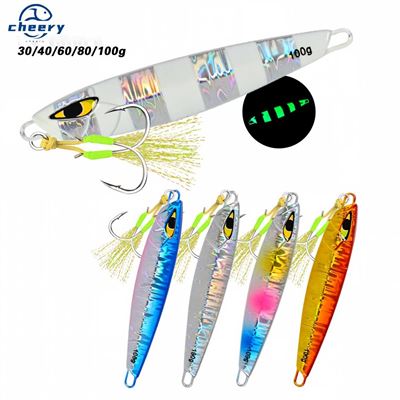
 Metal Jig
Hot-selling New Arrival Laser-designed…
US$1.48–2.01/ piece
Direct answer
This catalogue holds 62 sampled Chinese fishing tackle listings across 12 sub-categories. Each card states the reference price per unit and the MOQ, so listings can be compared directly; supplier identity is released after a trade account is approved.
Key facts
62 sample listings across 12 tackle types, normalised the way a sourcing catalogue should be: price basis, MOQ and type stated, supplier identity released after verification.
Metal Jig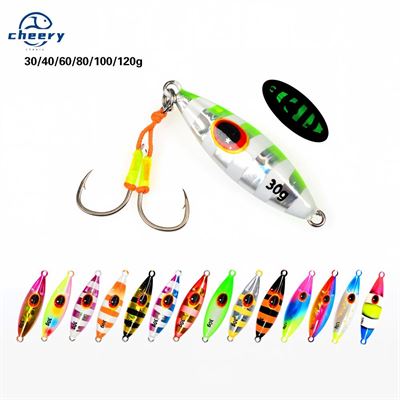 Metal Jig
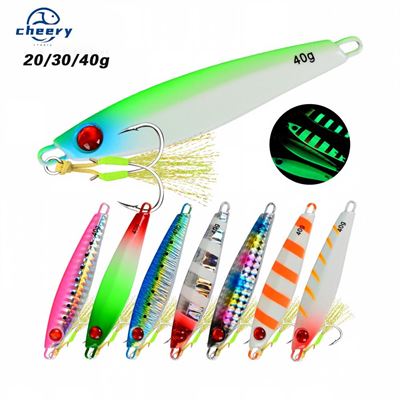 Metal Jig
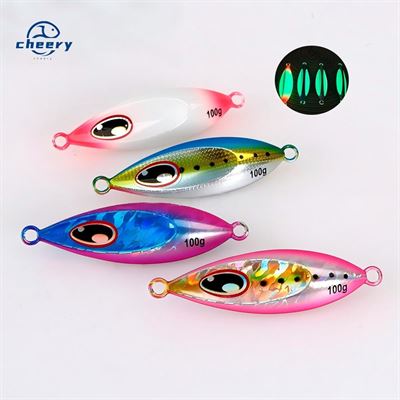 Metal Jig
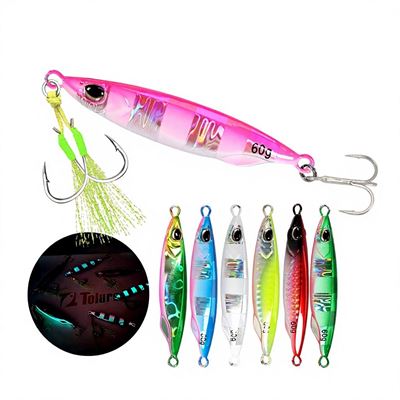 Metal Jig
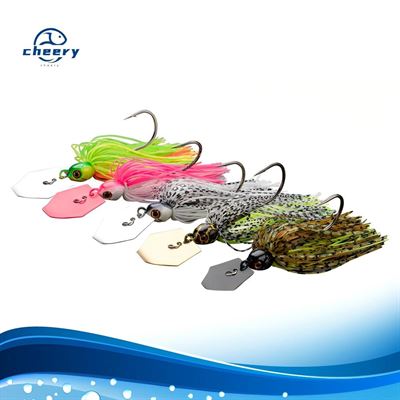 Spoon & Spinner
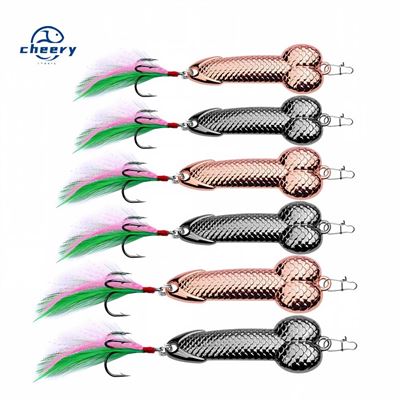 Spoon & Spinner
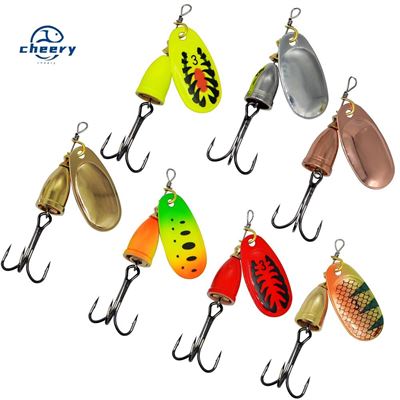 Spoon & Spinner
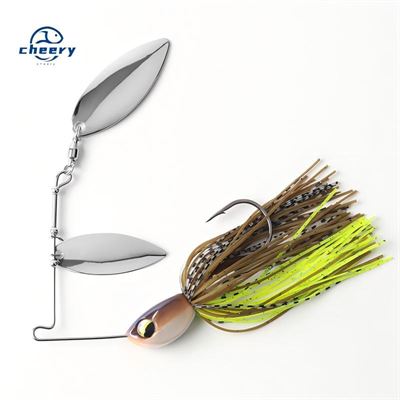 Spoon & Spinner
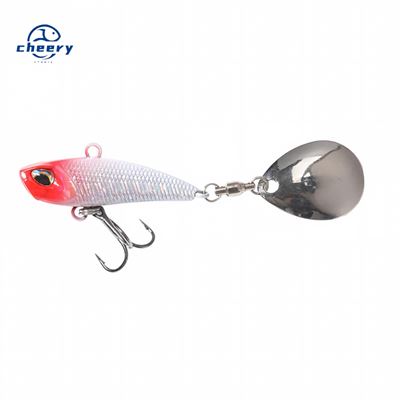 Spoon & Spinner
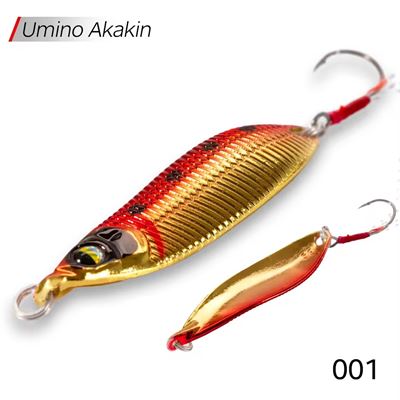 Spoon & Spinner
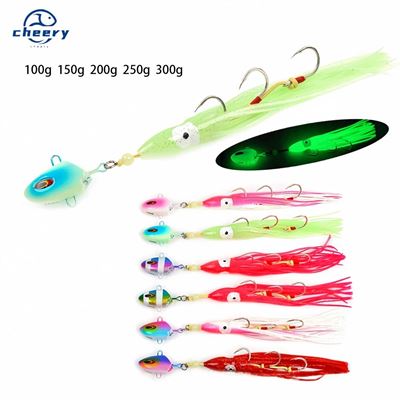 Other Hard Lure
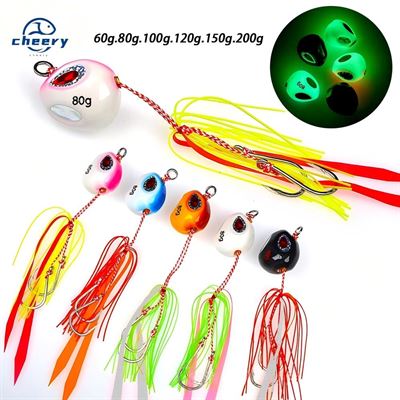 Other Hard Lure
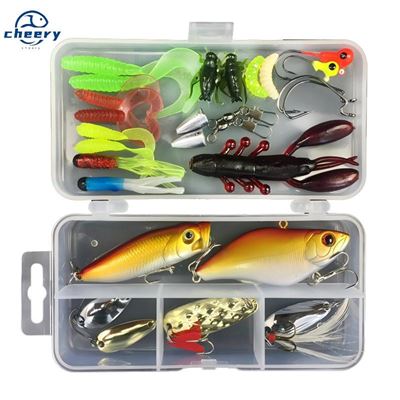 Other Hard Lure
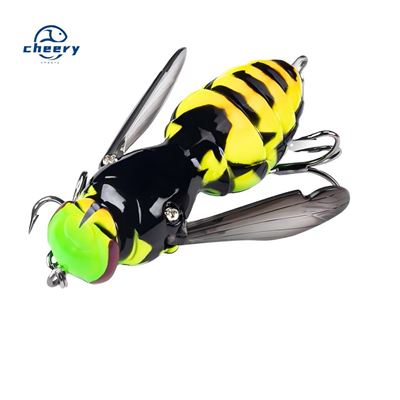 Other Hard Lure
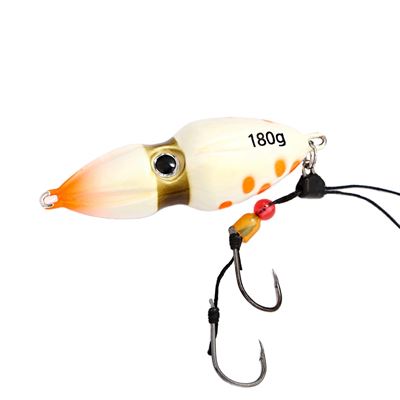 Other Hard Lure
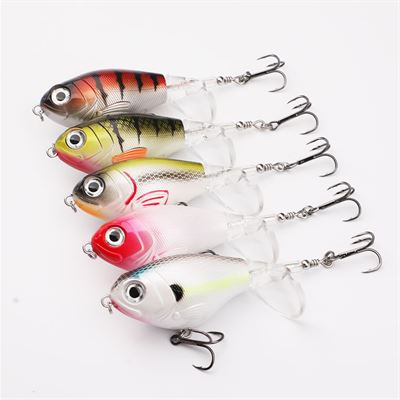 Other Hard Lure
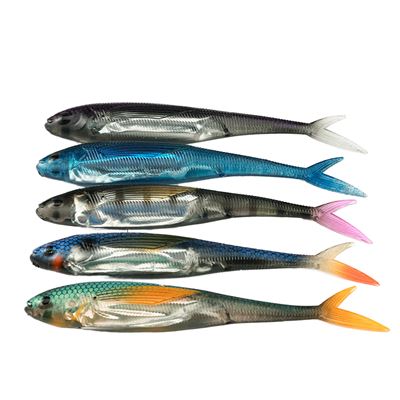 Soft Lure
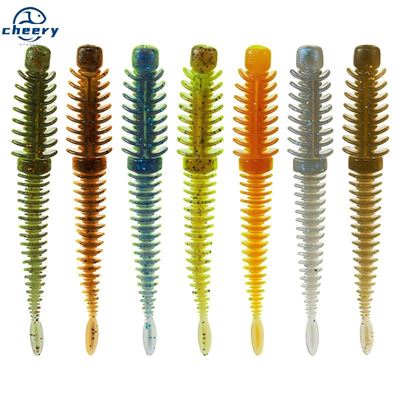 Soft Lure
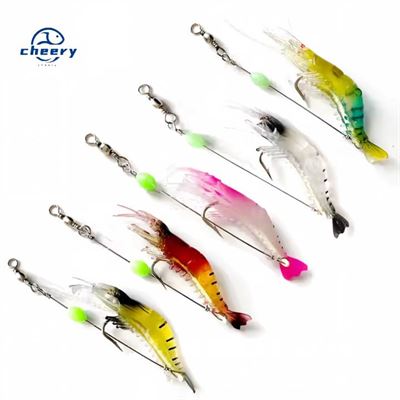 Soft Lure
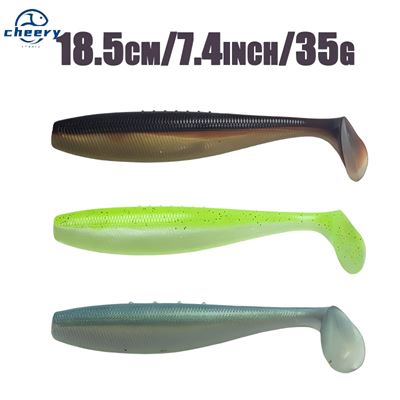 Soft Lure
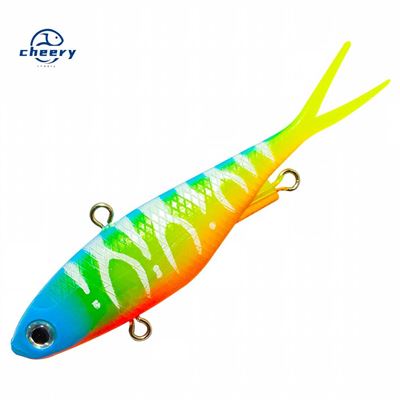 Soft Lure
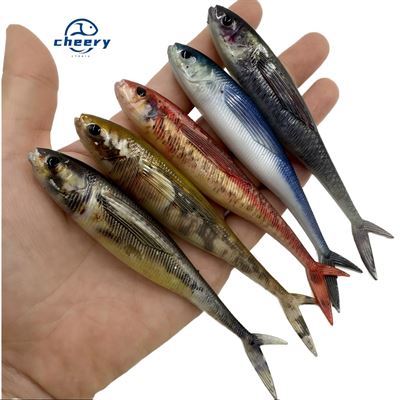 Soft Lure
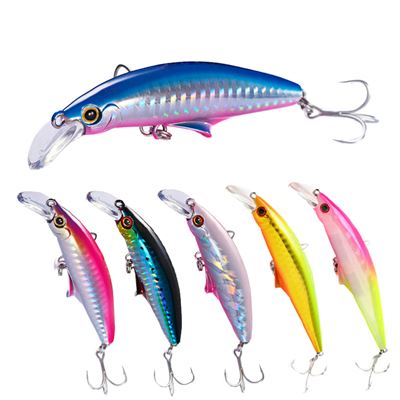 Hard Lure
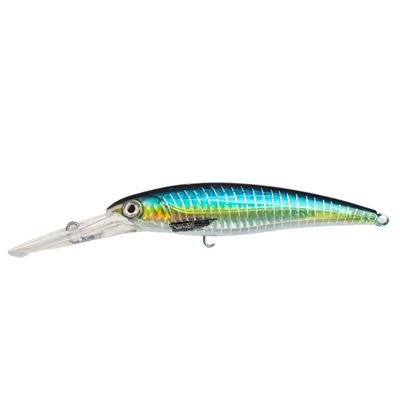 Hard Lure
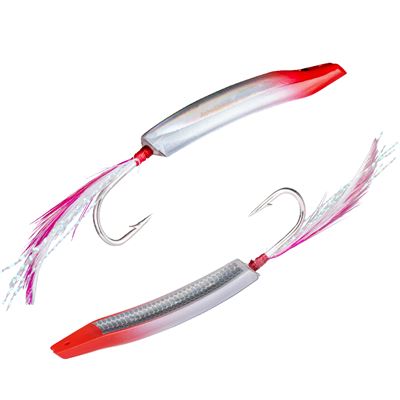 Hard Lure
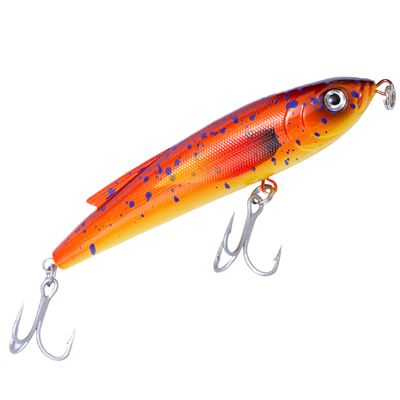 Hard Lure
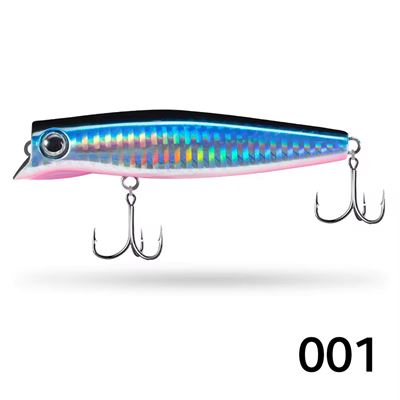 Hard Lure
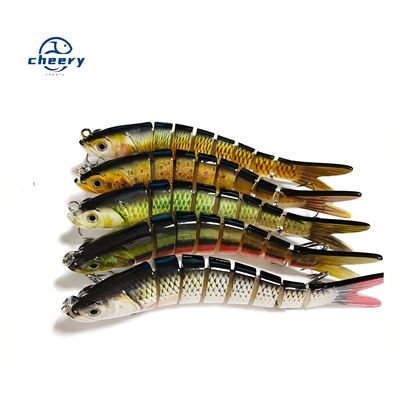 Hard Lure
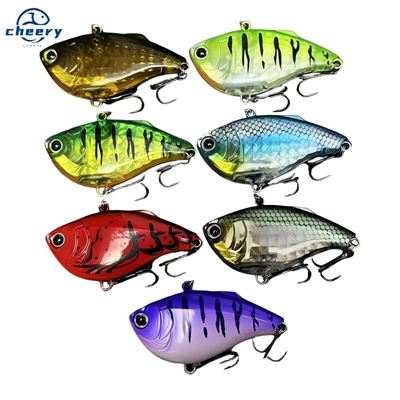 VIB
VIB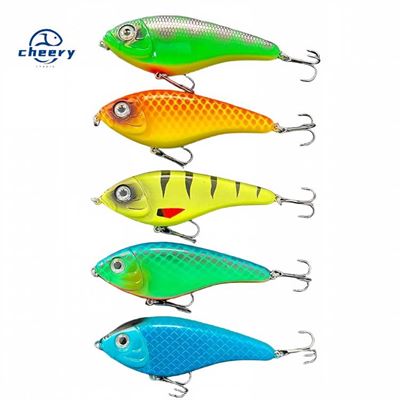 VIB
VIB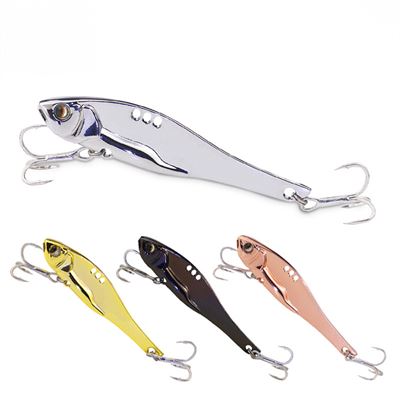 VIB
VIB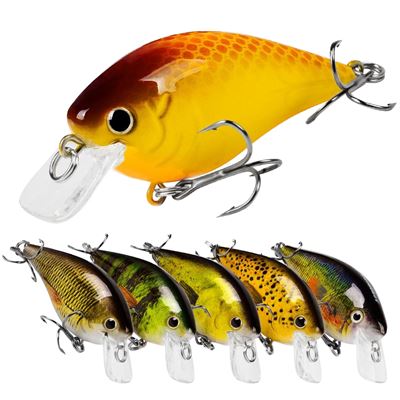 VIB
VIB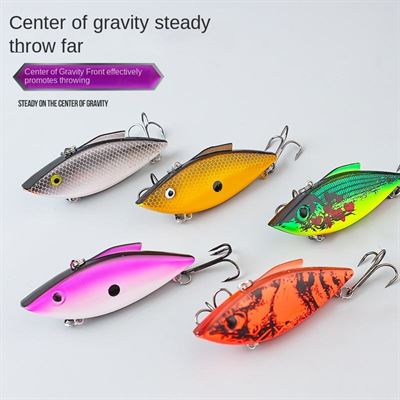 VIB
VIB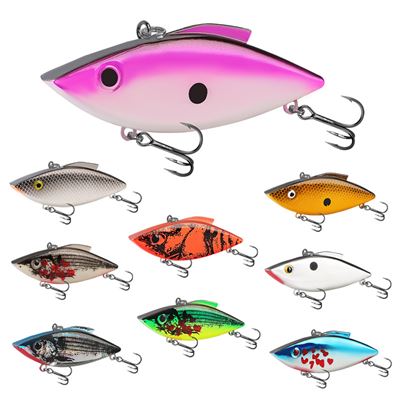 VIB
VIB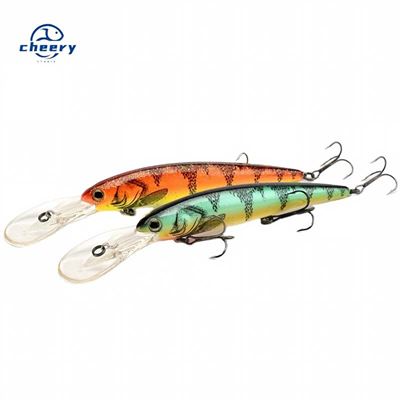 Minnow
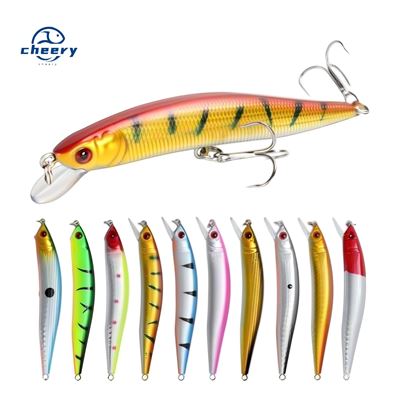 Minnow
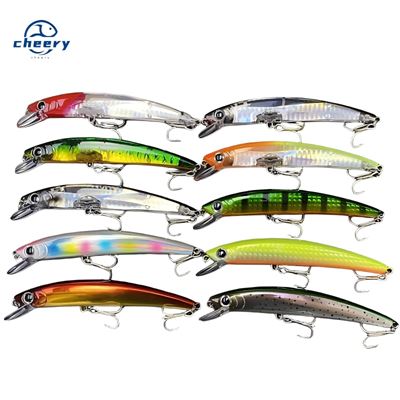 Minnow
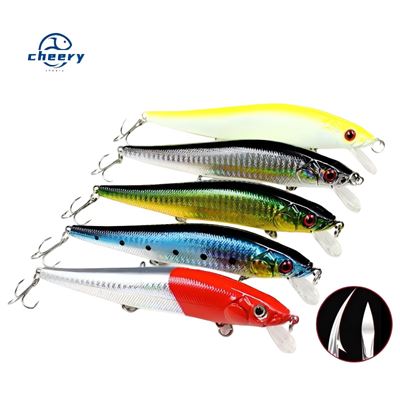 Minnow
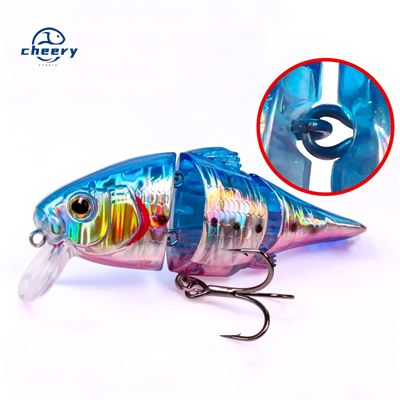 Minnow
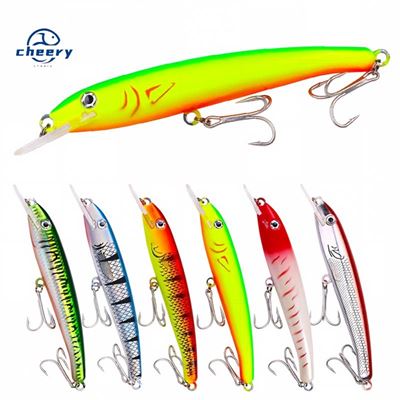 Minnow
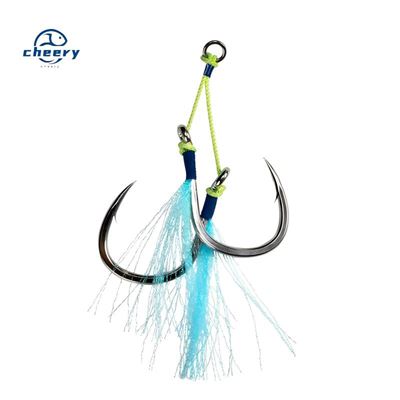 Fishhook
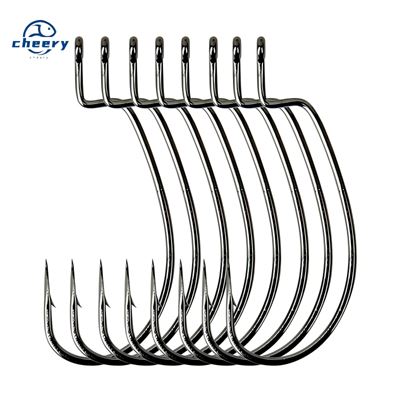 Fishhook
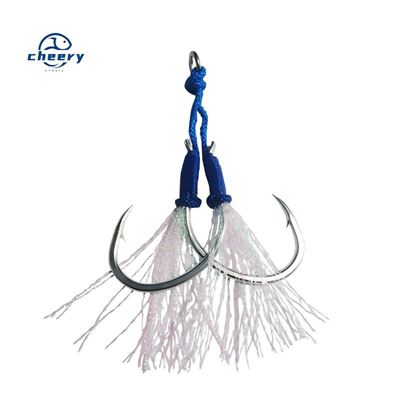 Fishhook
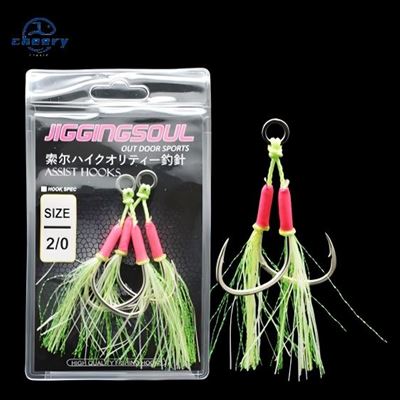 Fishhook
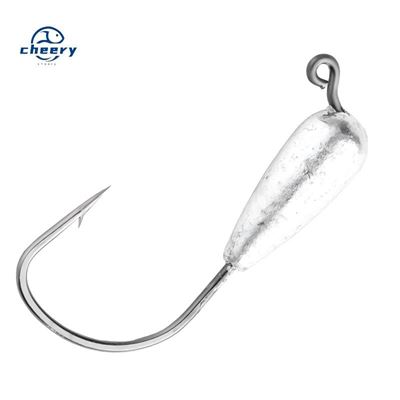 Fishhook
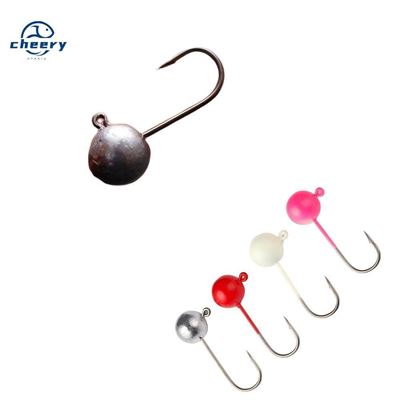 Fishhook
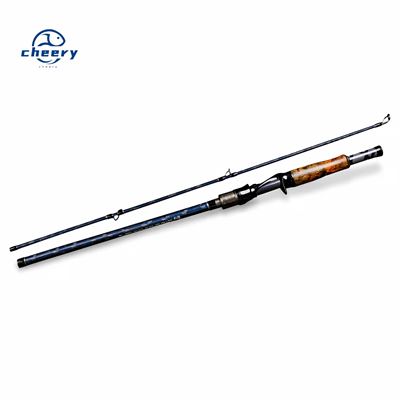 Fishing Rod
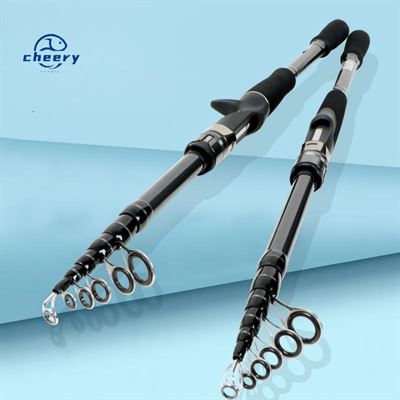 Fishing Rod
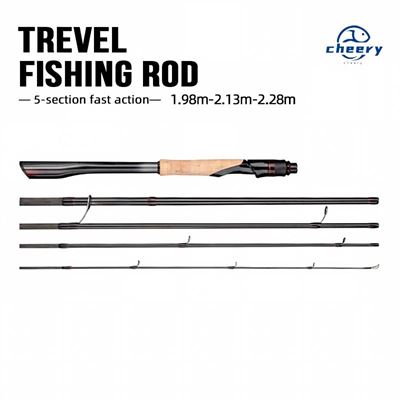 Fishing Rod
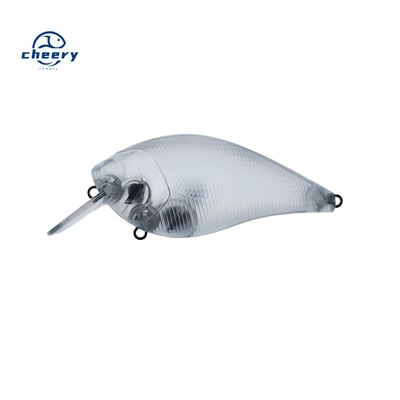 Crankbait
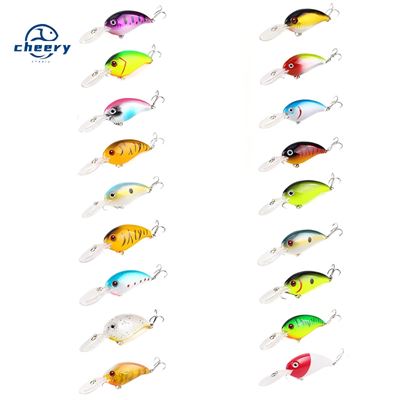 Crankbait
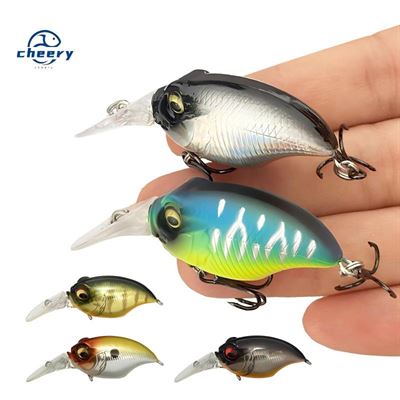 Crankbait
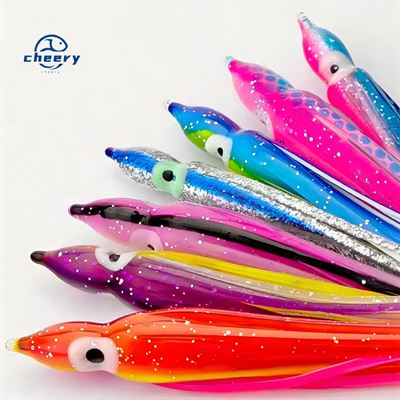 Octopus Skirt
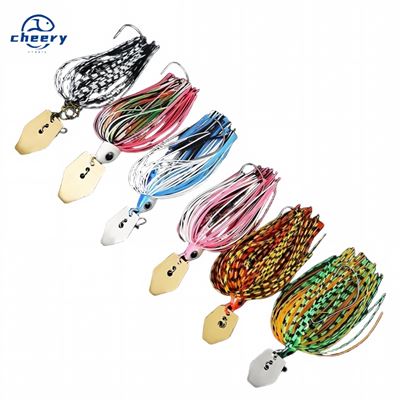 Octopus Skirt
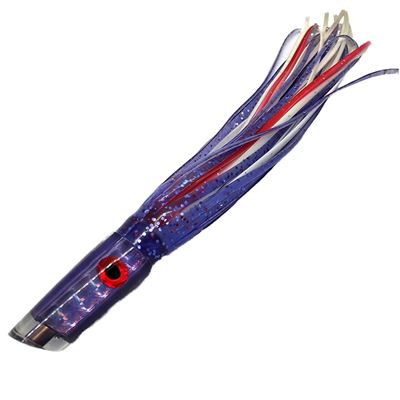 Octopus Skirt
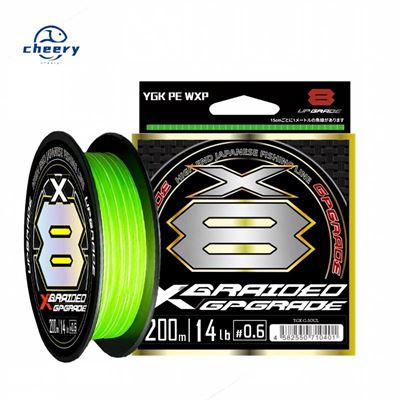 Fishing Accessory
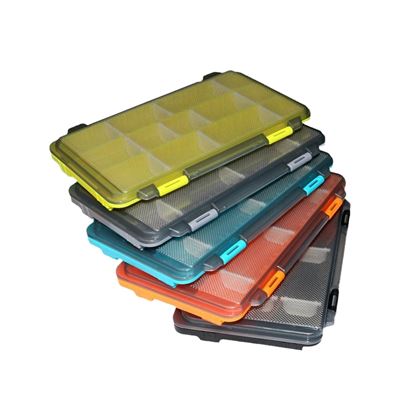 Fishing Accessory
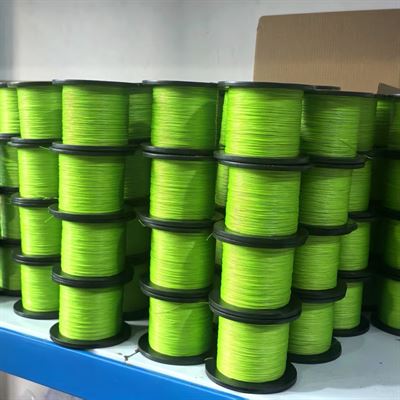 Fishing Accessory
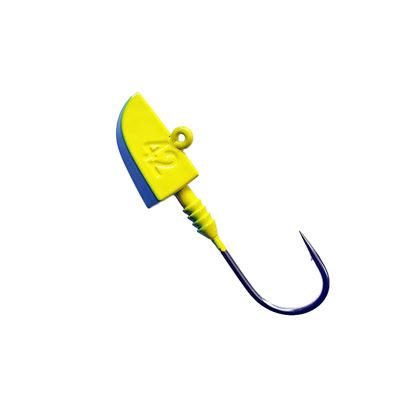 Fishhook
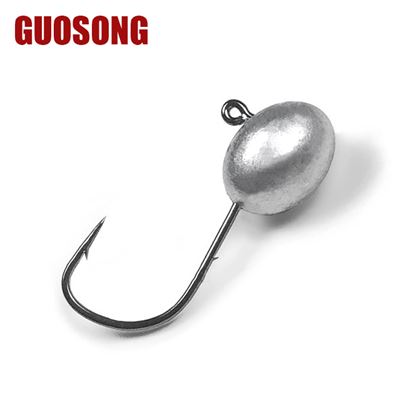 Fishhook
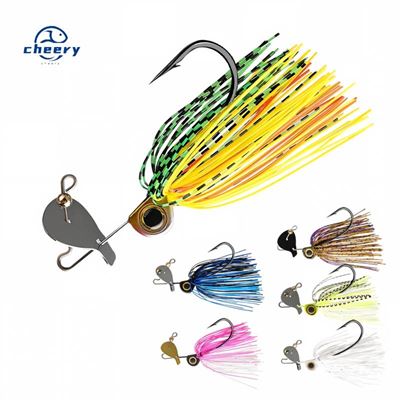 Fishhook
Soft lures, hard lures and metal. The most specification-sensitive family and the one where colourway control decides repeat orders.
Spinning, casting and travel rods. Hardware-sensitive: guide and reel-seat substitution is the main risk on a repeat order.
Spinning, baitcasting, trolling and fly. Component-driven: gear ratio, drag and bearing count are the specification.
Sourced on request — send a specification
Nylon, fluorocarbon and braid. Bought on test strength, diameter and consistency of spooling.
Sourced on request — send a specification
Hooks, jig heads, swivels, snaps and weights. Tolerances on small metal parts are what buyers actually check.
Boxes, tools, rod holders, landing nets. Usually consolidated with a lure or rod programme rather than bought alone.
Sourced on request — send a specification
Coverage note: product listings on this site currently cover lures, rods and hooks. Reels, line and general accessories are sourced on request, and supplier records are published only after four-way verification.
Buyers rarely search by product name alone. Three routes decide the specification, and all three change what you should ask for:
| Route | Typical values | What it changes in the specification |
|---|---|---|
| Water type | Freshwater · saltwater · brackish | Saltwater drives hook and ring material, plating and salt-spray testing. A freshwater build used in salt water is the most common quality complaint. |
| Target species | Bass · pike · walleye · seabass · tuna · squid | Species sets the size class, the hook strength and often the colourway palette the market expects. |
| Technique | Casting · slow jigging · trolling · finesse · eging | Technique decides lure weight and action, rod power and action, and whether rigging is done at the factory. |
State these three up front and a quotation stops being a guess. Most mis-quoted tackle programmes are mis-quoted because one of the three was never stated.
| Family | What buyers use it for | Field that decides the price |
|---|---|---|
| Soft lures | Bass, perch and inshore programmes; the volume product | Material and salt content |
| Hard lures and crankbaits | Trolling and casting for pike, bass and saltwater species | Body material and finish |
| Metal jigs | Vertical and slow-pitch jigging; sold by weight in g | Weight and hook hardware |
| Rods | The highest-value line; blank grade drives everything | Blank material and guide set |
| Hooks and terminal tackle | Replacement and rigging; sold in packs of 100 pcs or more | Wire gauge and plating |
| Accessories | Boxes, tools and line; the attach-rate products | Packaging format |
| Sub-category | Listings | Reference price | MOQ |
|---|---|---|---|
| Soft Lure | 6 | US$0.2–3.85 / piece | 50–1000 pcs |
| Hard Lure | 6 | US$1.85–3.2 / piece | 100–100 pcs |
| Other Hard Lure | 6 | US$0.56–12.04 / piece | 20–500 pcs |
| Metal Jig | 5 | US$0.97–2.01 / piece | 100–200 pcs |
| VIB | 6 | US$0.24–2.5 / piece | 100–500 pcs |
| Minnow | 6 | US$0.37–3.17 / piece | 50–500 pcs |
| Spoon & Spinner | 6 | US$0.31–6 / piece | 50–500 pcs |
| Octopus Skirt | 3 | US$0.08–2.8 / piece | 100–2000 pcs |
| Fishing Rod | 3 | US$9.15–132.55 / piece | 20–100 pcs |
| Fishhook | 9 | US$0.07–2.4 / piece | 100–2000 pcs |
| Crankbait | 3 | US$0.3–0.85 / piece | 200–500 pcs |
| Fishing Accessory | 3 | US$0.62–60 / pack | 5–200 pcs |
A listing tells you what a factory can make. It does not tell you where the product is fished, how it is rigged or which shop will stock it. Those questions are answered product by product in Opportunities, starting with sea urchin soft lures.
Looking for a specification that is not listed? Send it to us — we match against verified factory records and tell you when nothing fits.
Send the format, quantity, material and destination market. We answer against verified records — and tell you when the data is not good enough to answer with.
Last reviewed: 2026-09-17 · build 2026-09-17-p5jpv