
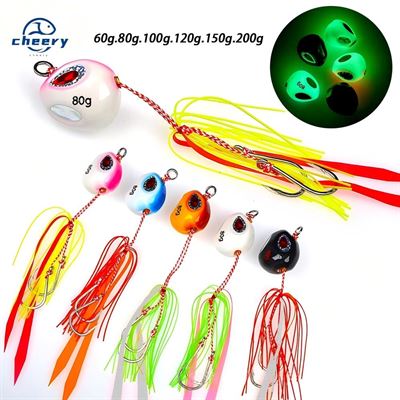
What does the EU lead restriction mean for a heavy glide bait?
Short answer
EFTTA reports that the EU's final restriction ends the sale of sinkers and lures weighing 50 g or less three years after entry into force, and of items above 50 g up to 1 kg after five years, with products generally limited to less than 1% lead by weight. A 100 g glide bait therefore sits in the five-year band and a 40 g bait in the three-year band, so the weight class ordered today decides the deadline.
In detail
Ask the factory to declare the weighting material per SKU and to treat lead-free as a specification with a density figure.
The numbers behind this answer
| Construction | What the published description says | What to lock in writing |
|---|---|---|
| Glide bait, single central joint | Rapala's guide describes a glide bait as a body in two parts with one joint at the centre, which produces the S-shaped walk (Rapala) | Joint gap, hinge or pin type, and the alignment tolerance that keeps the two halves true after a season of casting |
| Construction | What the published description says | What to lock in writing |
|---|---|---|
| Full wire-through body | Westin states a full wire-through-body construction on an ABS glide bait (Westin) | Whether the wire runs the length of the body, and how the tow point and hook hangers anchor to that harness |
Where this answer comes from
Part of the product record Glide baits for pike, musky and striped bass (Other Hard Lure). The record carries the tables this answer is drawn from, the fields a factory needs before quoting, and an explicit list of what has not been verified.
Products that solve this
Sampled listings from the same product family (Other Hard Lure). Reference price per unit with the MOQ stated; a quotation against your specification governs a transaction.
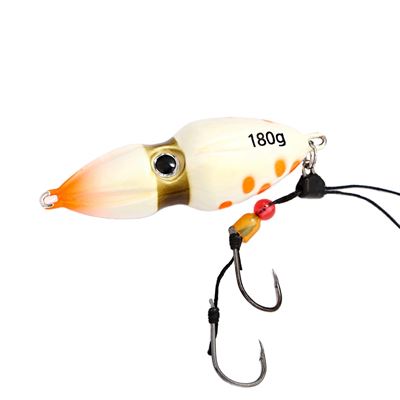
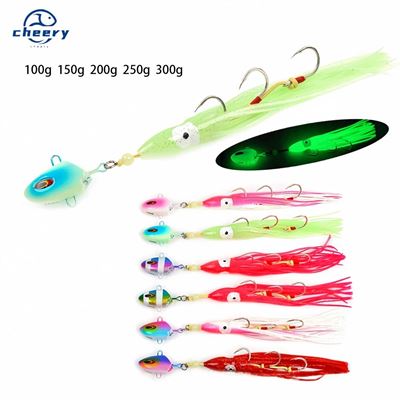
All other hard lure listings · factory identity is released after a trade account is approved.
Read next
- Build the specification for this product
- Send a specification and get a quotation in one business day
Other questions in this record
- What is a glide bait and how is it built?
- Which body length classes should a European assortment carry?
- Should the body be one piece or two pieces?
- How should sink rate be specified on a purchase order?
- What trebles and split rings should a glide bait ship with?
- Which glide bait sizes work for striped bass?
- How is a glide bait priced from a Chinese factory?
Related questions
- What makes a fork tail a fork tail, and what does the fork do? - Fork-tail soft plastics: the multi-pack value tier
- What is a glide bait and how is it built? - Glide baits for pike, musky and striped bass
- What trebles and split rings should a glide bait ship with? - Glide baits for pike, musky and striped bass
Still unsure?
Send the product, the quantity and the destination market, and you get an answer against verified factory records within one business day. If the question is useful to other buyers we publish it as a page like this one.
Sources
- A Glide Bait is as simple to use, as it is effective, Rapala Europe - joint count and interchangeable tungsten weighting
- Swim Glidebait, Westin Fishing - published length and weight ladder, sink rates and wire-through ABS body
- The Treble Trick-Out Musky Lure Tweak, Musky360 - how treble size and weight change buoyancy and action
- Targeting Stripers with Glide Baits, Seaguar - striper size range, common sizes and leader weights
- EU lead sales ban is final, EFTTA - phased EU sales restriction on lead in lures by weight class
- Industry interview: return of EFTTEX proves its worth despite reservations, Angling International - web shops versus wholesalers and low-minimum OEM
Need a specification matched, not a list browsed?
Send the format, quantity, material and destination market. We answer against verified records — and tell you when the data is not good enough to answer with.
Last reviewed: 2026-09-18 · build 2026-09-18-0kfwu