Chinese fishing tackle · verified supply datatian@weihaicheery.comSearchReply within one business dayEN · de/es soon

Rotating Sequins Metal Composite Artificial Hard Bait with…

Direct answer

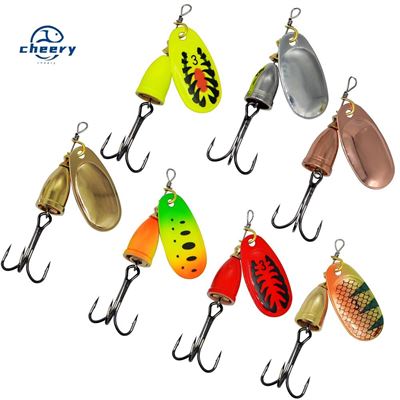
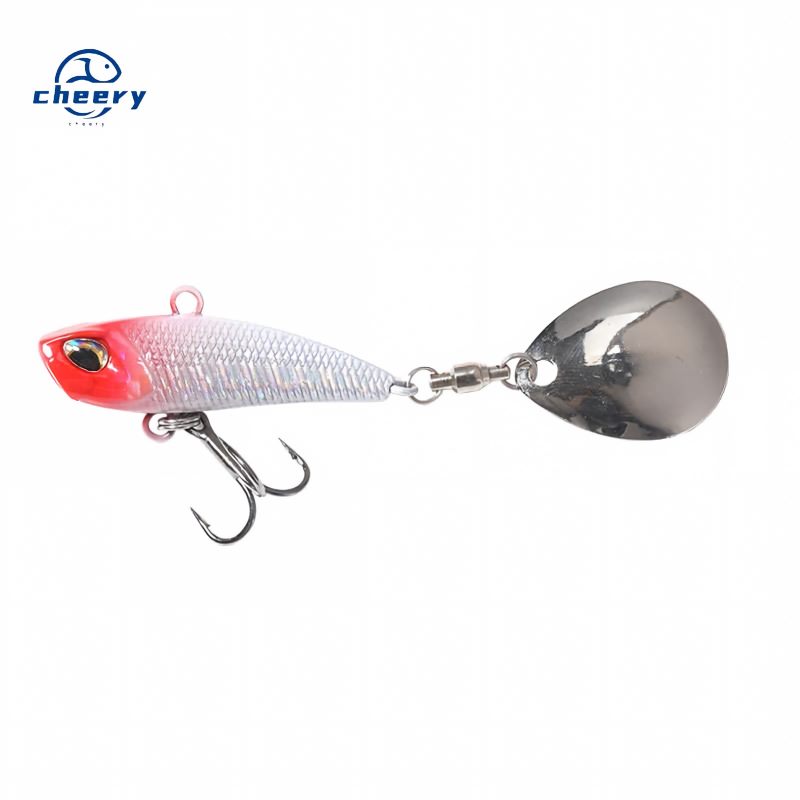
This listing is a Spoon & Spinner in the Fishing Lures category — Cheery Rotating Sequins Metal Composite Artificial Hard Bait with Long-distance Casting Lu. Reference price is US$1.12 per piece and a minimum order quantity of 100 pieces. The quoted basis is confirmed per supplier, and verified supplier identity is released after a trade account is approved.

Key facts
  1. Reference prices move with material cost and order quantity; a quotation against your specification governs a transaction.
  2. Samples can be coordinated before a first order.
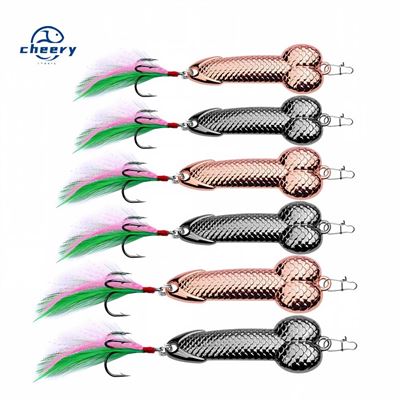
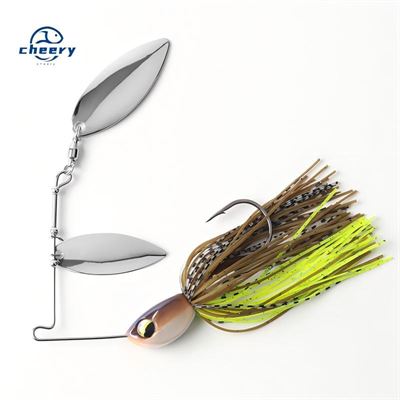
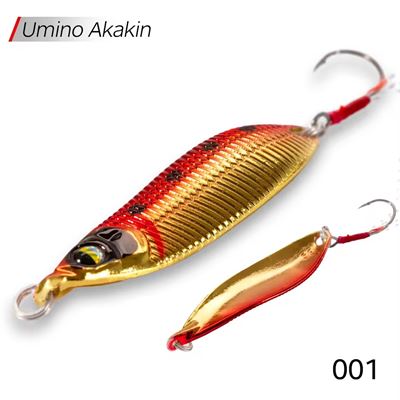
  3. Comparable listings in the same sub-category are shown below.
Cheery Rotating Sequins Metal Composite Artificial Hard Bait with Long-distance Casting Lu
US$1.12
Reference range per piece · basis confirmed in quotation · MOQ 100 pieces
Specification as listed for this sample
TypeSpoon & Spinner
CategoryFishing Lures
Reference priceUS$1.12 per piece · basis confirmed in quotation
MOQ100 pieces
HS heading9507.90 · artificial bait and other tackle · confirm the subheading and duty rate with your customs broker
ClusterWeihai (Shandong) · Guan (Hebei) · Xianxian (Hebei)
SupplierReleased after trade-account verification — apply
SampleAvailable on request, coordinated by us
Request a quote

Reference prices are indicative and move with material cost and quantity. A quotation issued against your specification is what governs a transaction.

What does the specification include?

What is the reference price band for Spoon & Spinner?

Aggregated from 6 sampled Spoon & Spinner listings in this catalogue. Ranges move with material cost and order quantity; they are not offers.
MeasureAcross the sample
Listings sampled6
Reference price per pieceUS$0.31–6
MOQ50–500 pcs

Where is this type made, and which cluster should you pick?

The three Chinese clusters we publish records for. Verification runs cluster by cluster rather than country-wide — a factory answer is only useful next to the cluster it competes in.
ClusterWhat it makesWhy buyers pick it
Weihai, ShandongRods, hard lures and metal jigsThe rod capital — industry reporting credits the city with roughly 60% of global fishing rod output
Guan, HebeiRods and accessoriesLower cost base at volume
Xianxian, HebeiLures and value rodsNewer supply chain, useful as an independent price reference

How do you compare quotes for a Spoon & Spinner order?

  1. Lock the specification first. Hardware by name, colourway tolerance, packaging format — a quote against an open specification is not comparable with anything.
  2. Ask for the unit. Per piece, per set or per carton; a price without a unit is not a price.
  3. State the order quantity you would actually place. The same product at 5,000 and 50,000 pcs carries the same tooling across different volumes.
  4. Fix the basis. FOB with the named port, or EXW factory — the Spoon & Spinner band above means nothing without it.
  5. Place the quote against the band. A number far below the band is usually a different specification, not a better factory.
  6. Get the basis, quantity and lead time in writing on the quotation itself, not in a chat message.
  7. Agree the inspection points before production — after shipment, a defect is a negotiation rather than a remedy.

What is not in this listing?

  • No factory identity — that is released after a trade account is approved.
  • No stock level — these are sampled listings for comparison, not inventory.
  • No certification claim that is not evidenced on the record.
  • No rating or review score, because we do not collect them.

What should you check on the sample?

  • Hook and ring hardware by name, not by description — an owner-style hook is not a specification.
  • Colourway against a physical or measured reference, with the tolerance stated.
  • Weight in g and length in mm measured against the listing, not eyeballed.
  • Coating and plating, if the programme is saltwater.
  • That the sample came off the production line that will run the order, not from the showroom.

What decides the price on a repeat order?

  1. Material cost — resin, salt content, blank grade and the metal in the hardware.
  2. Hardware — the hook and ring by name; substituting them is the most common silent downgrade.
  3. Colourway count — each extra colourway is a line change, not a new mould.
  4. Packaging — retail packaging changes both the unit cost and the MOQ.
  5. Order quantity — the same tooling across a larger run lowers the unit price.

What is the difference between a sample and the production run?

  • A hand-built sample hides assembly problems that the production line will expose.
  • A showroom sample may use hardware the factory will not use at your price.
  • A production-line sample is the only sample that predicts the batch.

More Spoon & Spinner

Need a specification matched, not a list browsed?

Send the format, quantity, material and destination market. We answer against verified records — and tell you when the data is not good enough to answer with.

Last reviewed: 2026-09-17 · build 2026-09-17-p5jpv

ContactEmailRequest a quote